Client
QSTA Food Logistics is a cold chain logistics provider and portal based in Nijkerk, Netherlands. Operating out of the Bieze Food Group (BFG) network and part of the international Wernsing Food Family, a family-owned group of food businesses spanning several countries across Europe, it runs a distribution center serving both BFG companies and major retail partners.
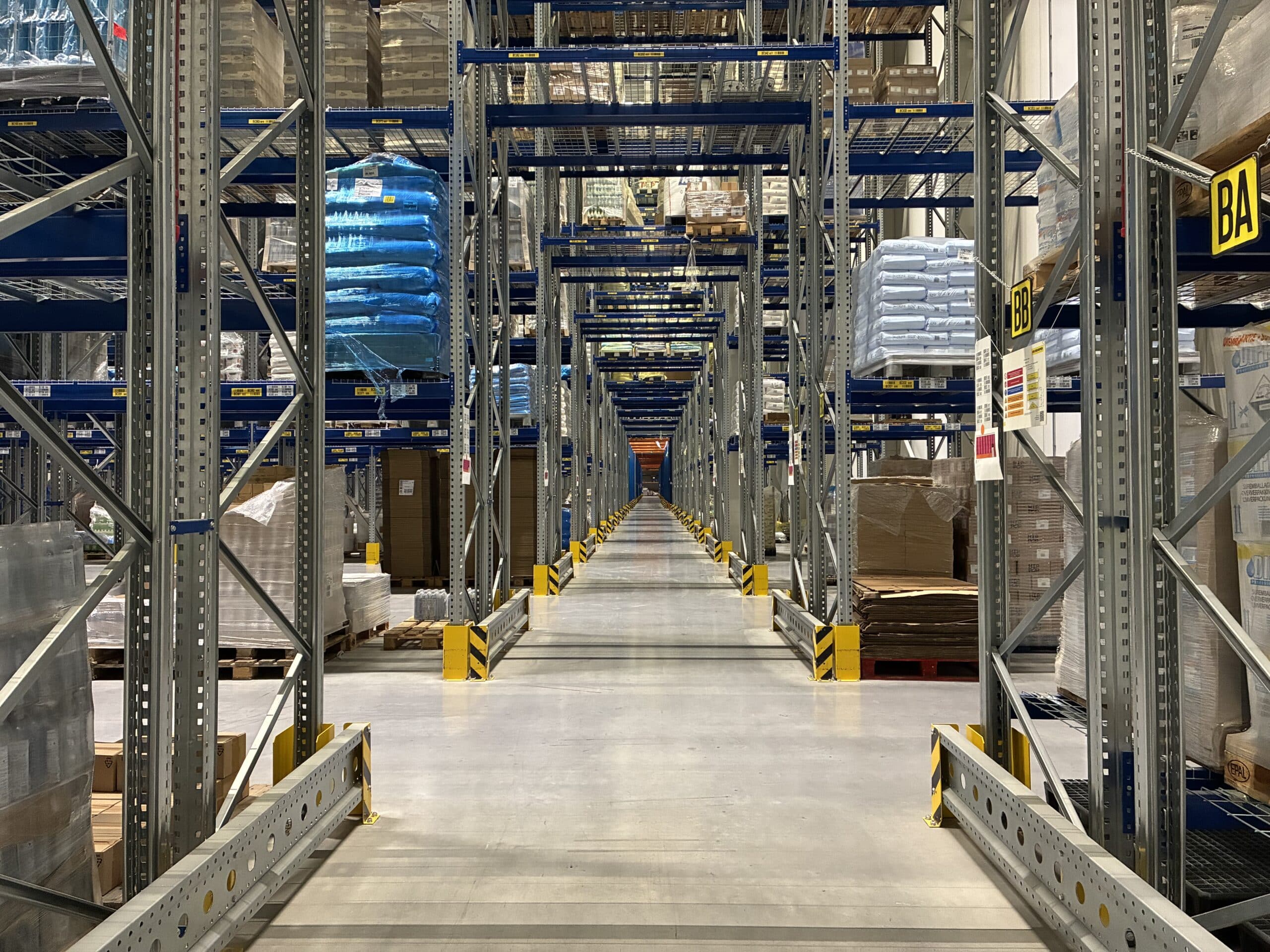
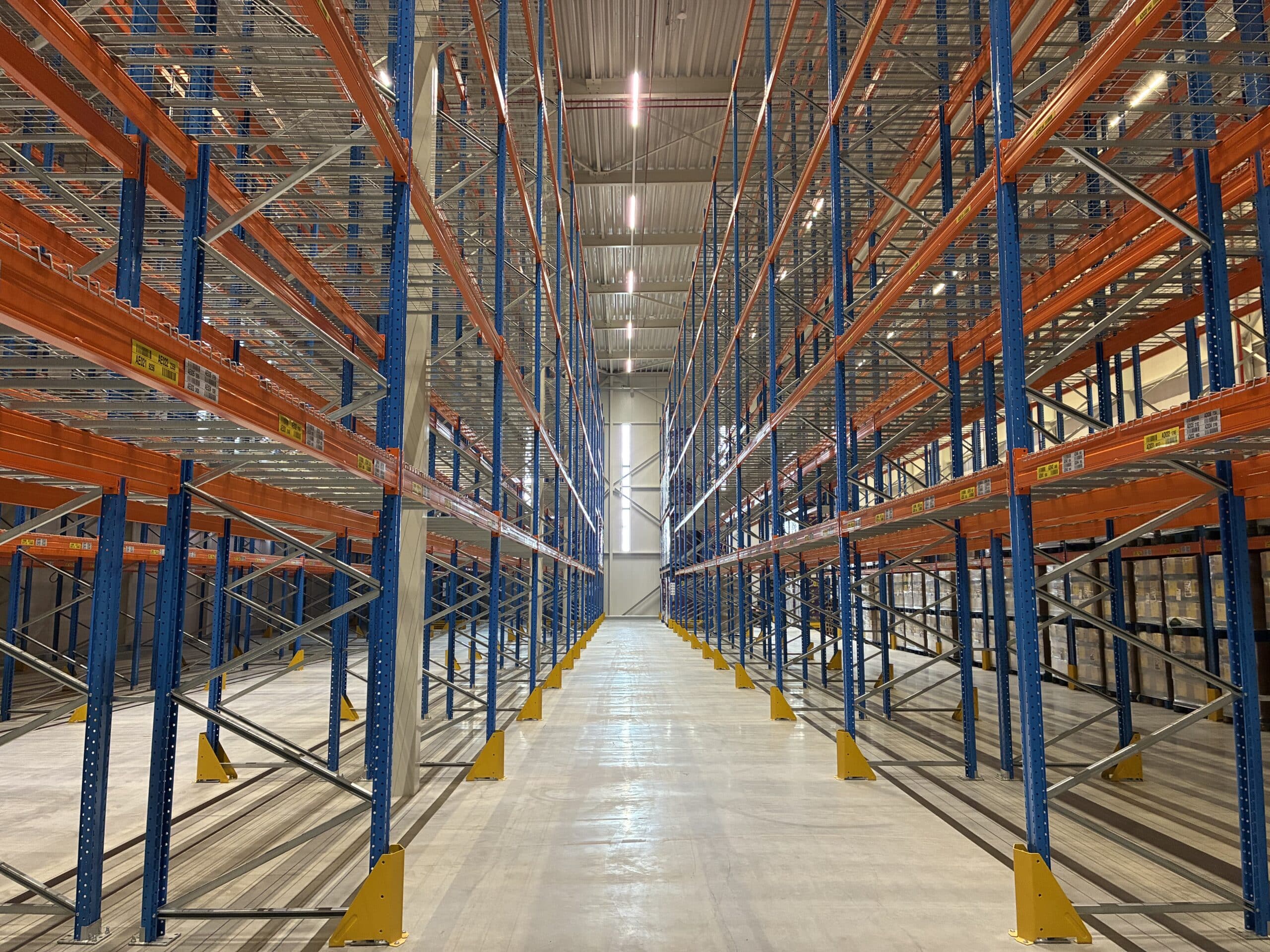
From its distribution center at Riddererf in Nijkerk, QSTA operates a cold chain across three temperature zones (ambient, chilled, and frozen). The facility handles 35,000 pallet positions across roughly 25,000 m² of storage space. It operates 24 hours a day. Continuous uptime is not optional.
The site has been expanding steadily since it opened in 2016. By 2022, QSTA was preparing for its third major phase of expansion, with plans to add a full frozen storage facility. However, their plans came to a halt when faced with grid connection restrictions. They needed a solution that would meet their ambitious sustainability goals, facilitate their immediate and future expansion plans, and provide an intelligent platform on which to build their energy strategies.
Enter Ampowr.
Technical Parameters
| System | AmpiFARM |
|---|---|
| Location | Nijkerk – Netherlands |
| Capacity | 1100kWh |
| PCS | 500kW |
| C-rate | 0.5C |
| Battery Chemistry | LFP |
| Cooling | Air Cooled |
| Ingress Protection | C4 |
| Fire System | Aerosol – NOVEC1230 / FM-200 |
| Cycle life | ≥ 6000 cycles, 80% DoD |
| Weight | 20T |
| Size | 6,058 x 2,438 x 2,591mm |
| EMS | Ampowr Cosmos |
Challenges
By the time QSTA/Bieze had prepared for its Phase 3 expansion in 2022, every plan was in motion. Then a letter arrived from the facility’s local grid operator. Net congestion had hit the Nijkerk industrial estate. Power supply to the site was being capped. Not at the level needed for expansion, but at historical consumption levels from two years prior: a period that included the operational dip of the pandemic.
The timing could hardly have been worse. They needed significantly more power. The new frozen storage facility alone required substantial cooling capacity. The site was capped at 482 kW, meanwhile peak demand during summer operations ran toward 800 kW. The gap between what was available and what was needed was not marginal.
The challenge was compounded by the site’s energy profile. QSTA & Bieze had already invested in 1,200 kWp of rooftop solar, but solar generation doesn’t always follow cold-chain demand. On hot summer days, when cooling loads peak, solar output is at its highest, but without storage, much of that generation was being fed back to the grid rather than used on-site.
Wind turbines were ruled out due to permitting constraints and lead times. Phase change material storage was explored, but needed more time to be investigated. A detailed energy profile was commissioned from an independent consultant to model future consumption against different scenarios. The analysis pointed consistently in one direction: battery energy storage.
Beyond the power gap itself, the expansion had to meet the sustainability requirements embedded in QSTA’s BREEAM Outstanding certification. Any solution would need to integrate cleanly into an increasingly complex energy system, operate reliably in a round-the-clock cold chain environment, and hold up against the cybersecurity standards QSTA’s clients were increasingly beginning to require.

The Ampowr Solution
First contact with Ampowr came through a referral from an installation company working on the site. The initial meeting covered the basics of what battery energy storage could do. What stayed with Werner and Mark, however, was not the hardware pitch.
The BESS was a first for Wernsing Food Family across its entire European network. The decision went back to the group’s ownership for approval.
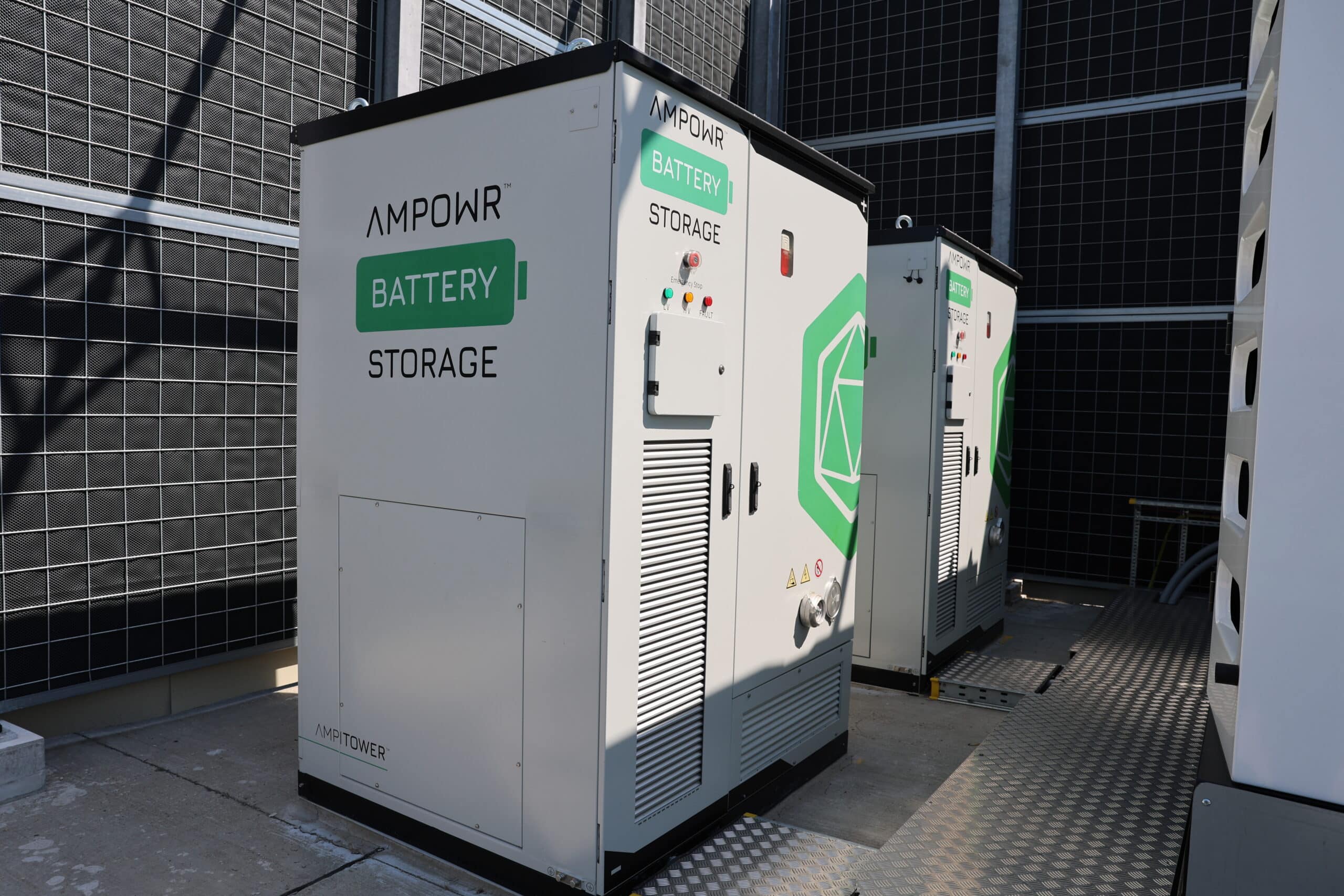
Ampowr delivered and installed an AmpiFARM battery energy storage system with a 1100 kWh energy capacity and 500 kW power output: a system sized for the sustained demand profile of a large cold chain facility. The unit runs alongside Ampowr’s Cosmos EMS, which manages peak shaving against the grid cap and coordinates charge cycles against the site’s solar generation output.
The path to that final configuration involved a practical arrangement that worked in both parties’ favor. QSTA had originally ordered a 10ft battery. While that unit was in production, Ampowr provided a 40ft rental container to bridge the gap. During that period, the data from the rental system informed the final sizing decision: the 10ft would have been tight. Ampowr absorbed the original order, and QSTA/Bieze took delivery of a 20ft system now running on site.
Since the battery came online, QSTA has gone through a fourth phase of expansion. The 482 kW grid cap has not changed. The site runs within it, cooling three temperature zones, handling 35,000 pallet positions, servicing same-day and next-day delivery routes across the Netherlands and parts of Belgium. The diesel backup generator installed as a precaution during commissioning has not been switched on once.

Cosmos Energy Management System (EMS)
Ampowr’s in-house developed Cosmos EMS is integrated into all Ampowr BESS solutions, including the AmpiFARM system at QSTA/Bieze.
At the facility, Cosmos EMS does more than manage peak shaving against the grid cap. As the site’s solar generation data became available, Ampowr identified an additional optimization: charging the battery from solar during the day, rather than feeding surplus generation back to the grid. The result is a system that actively coordinates three energy sources: the grid, the battery, and rooftop solar. All in real time.
Cosmos EMS at QSTA includes:
Dashboard: User-friendly Cosmos portal providing real-time visibility of solar generation, storage levels, grid draw, and load, all managed against the site’s 482 kW grid connection limit.
Monitoring: AmpiHealth module tracking battery health and system state across thousands of data points, with continuous remote oversight by Ampowr’s service team.
Data Security: Software fully designed, developed, and hosted in Europe. ISO 27001 certified, NIS2 compliant, and independently penetration tested.
Responsive Support: Issues flagged by the grid operator or identified through monitoring are routed to Ampowr’s team directly. Adjustments are made to the EMS configuration and confirmed with evidence of the fix, all with above industry average reaction times.
Future Readiness: Cosmos’ architecture is built to accommodate additional use cases, including EV fleet charging, as QSTA/Bieze expands its electric delivery vehicles on site.
The security architecture was a decisive factor. Clients including major Dutch food retailers now include cybersecurity and data governance questions as part of their supplier qualification process. The ISO 27001 certification and NIS2 compliance of Cosmos feeds directly into QSTA/Bieze’s own compliance documentation.

The Bottom Line
QSTA Food Logistics and Bieze Food Group faced a problem that is increasingly common across the Netherlands: a growing operation, a fixed grid connection, and a gap between the two that conventional infrastructure couldn’t close.
The Ampowr solution went beyond bridging the gap. It gave QSTA/Bieze a platform that has supported four years of continued expansion, absorbed the addition of a full frozen storage facility, and integrated with 1,200 kWp of on-site solar generation to maximize self-consumption. The site runs continuously. The backup generator meanwhile sits idle.
For food logistics operators navigating net congestion, cold chain complexity, and an increasingly certification-heavy client landscape, the combination of hardware reliability and software intelligence has proven to be the difference.
If your business is facing grid congestion or peak demand challenges, reach out for a personalized consultation to learn more about how an Ampowr solution can support your energy needs.