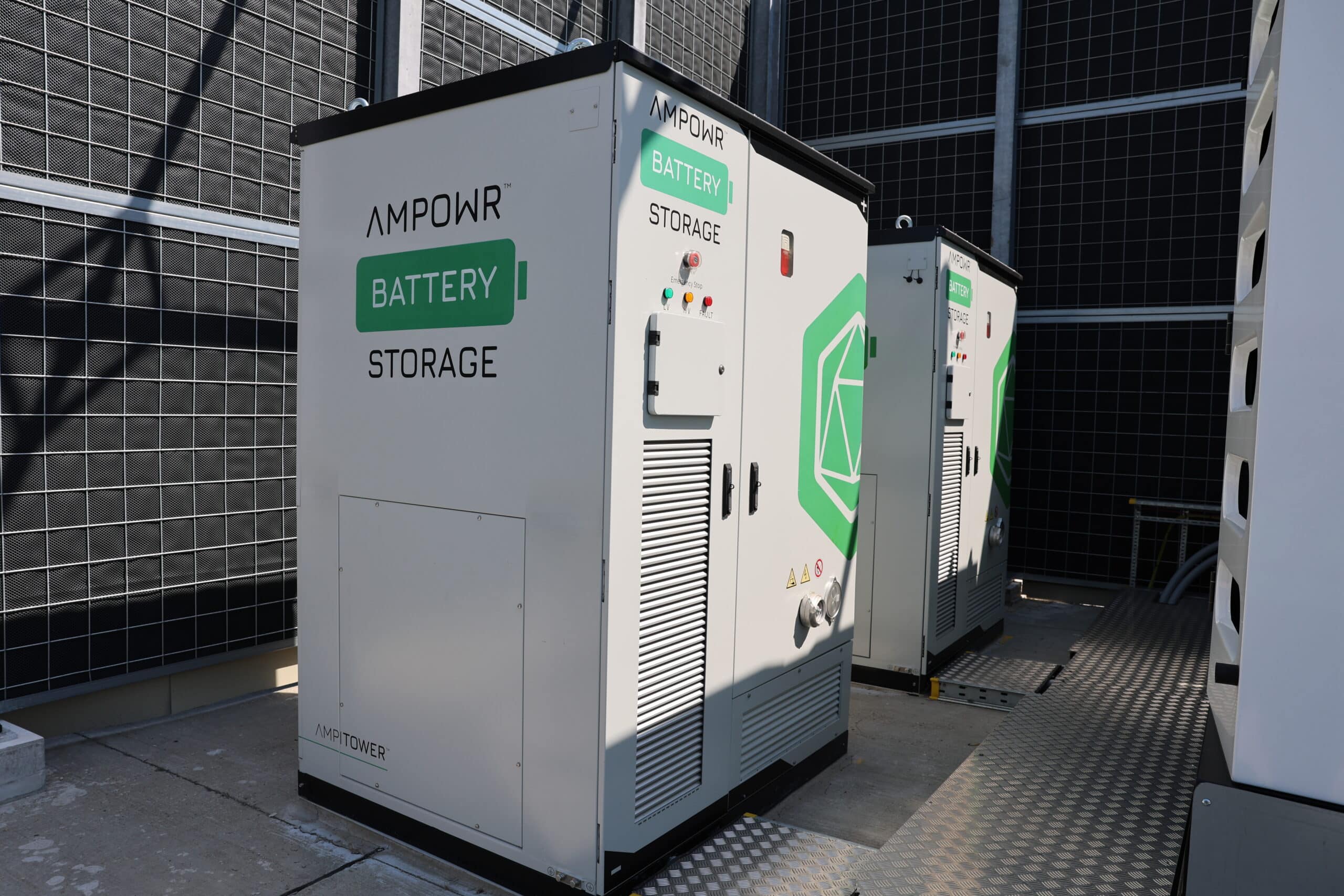
The energy sector is undergoing a rapid transformation. What was once a network of isolated physical assets has evolved into a complex, highly connected digital ecosystem.
This shift has unlocked tremendous benefits, from intelligent energy management to advanced real time optimization of critical assets. But it has also brought new and unavoidable responsibilities: ensuring security and resilience at every level of the system.
What does NIS2 mean?
NIS2 is short-form for the Network and Information Security Directive 2. It is an EU directive modelled around improving cybersecurity standards across Europe. Critically, it focuses on the implementation of stricter risk management measures, quicker reporting periods, and a set of common standards to be established locally in all EU-member states. The directive is in of itself a follow-up to its previous iteration, NIS1.

The keys to NIS2 compliance
NIS2 requires energy sector entities to implement ten baseline security measures. They cover everything from risk assessments and security policies to cryptography and incident reporting procedures. The directive distinguishes between essential and important entities; the former subject to the highest level of regulatory scrutiny, the latter to supervision where there is reasonable suspicion of non-compliance. Either way, the obligations are real and the penalties steeper than most anticipate. Essential entities face fines of up to €10 million or 2% of global annual revenue, with executives personally liable for gross negligence.
For energy companies specifically, the challenge isn’t just technical. NIS2 shifts accountability directly to organizational leadership, which means cybersecurity can no longer be treated as only an IT department concern.
Why this matters for BESS operators
Battery energy storage systems sit at the intersection of physical infrastructure and digital control. An EMS that manages grid dispatch, forecasting, and revenue optimization in real time is exactly the kind of critical asset NIS2 was designed to protect. A vulnerability in the control layer isn’t just a cybersecurity problem; it’s an operational and financial one. Compromised dispatch logic means lost revenue. A system taken offline during peak demand means grid instability. The stakes are concrete.
This is precisely why Cosmos was built with security as a foundation, not an afterthought.
Cosmos is ISO 27001-certified, NIS2 compliant, and EU-hosted. It meets the directive’s requirements not as a checkbox exercise, but as a reflection of what managing critical energy infrastructure actually demands. Every asset Ampowr deploys is controlled through that same secure layer, with full visibility and configurability for the operator at all times.
Compliance as a competitive advantage
NIS2 is not going away. As of March 2026, the European Commission has proposed targeted amendments to further simplify compliance. This signals that the regulatory direction of travel is toward tighter standards, not looser ones. The operators and asset owners who treat NIS2 as a minimum bar rather than a burden will be better positioned as the market scales.
Security and reliability are not separate conversations. In a grid-connected, software-driven energy landscape, they are the same conversation. Cosmos is built around both.