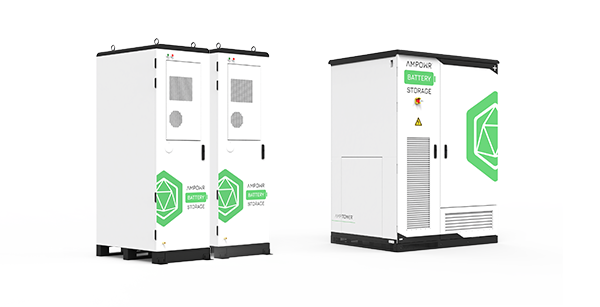
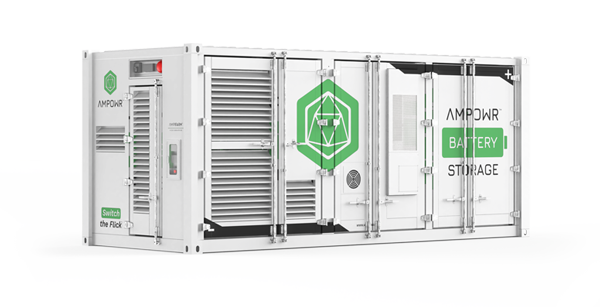
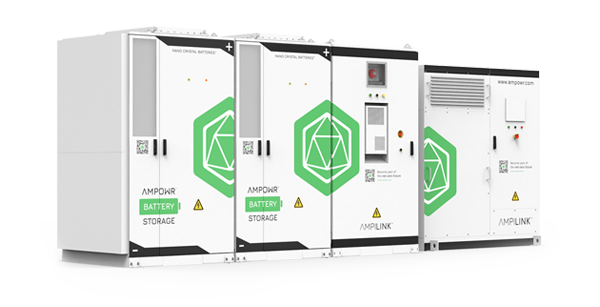
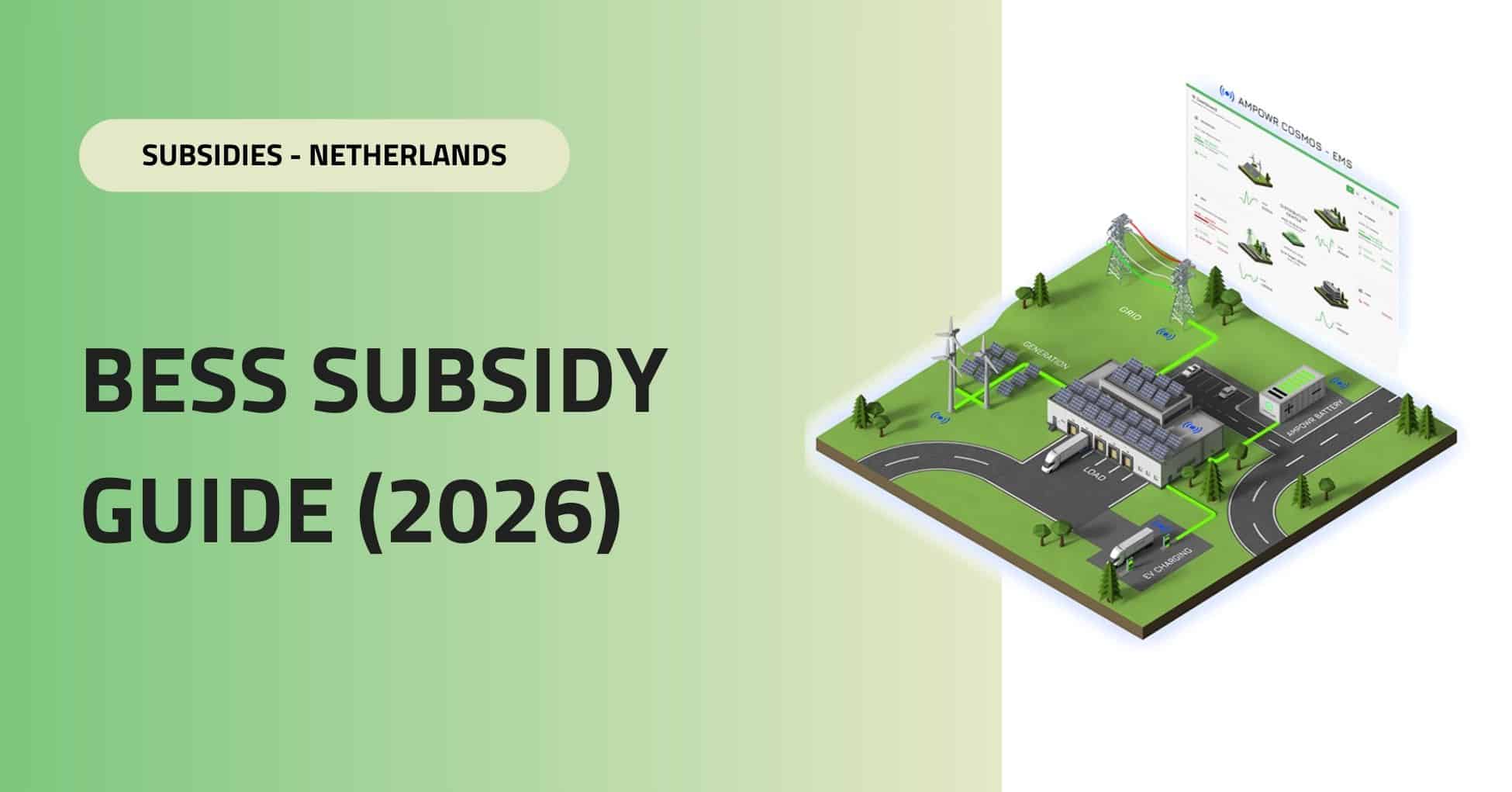
In the Netherlands, the energy system is characterized by a high share of renewable generation, particularly wind and solar power. This strong penetration of renewables leads to significant fluctuations in electricity prices throughout the day, driven by changes in weather conditions and demand patterns. In such a dynamic environment, batteries play a crucial role by storing energy when prices are low and discharging it when prices rise. This flexibility enables battery systems to capture value across different market opportunities while also supporting grid stability and efficiency.
Energy Arbitrage (Buy low, sell high)
The most basic way a battery makes money in the Netherlands is simple: buy electricity when it’s cheap and sell it when it’s expensive.
Prices in the Dutch market change every hour. At night, electricity is often cheaper because demand is lower. During very sunny or windy hours, prices can also drop because there is a lot of renewable energy in the system. In the evening, when people come home and use more power, prices usually go up.
A well steered battery charges when prices are low and discharges when prices are higher. The business case depends on the difference between those prices. The Dutch market price swings that are substantial enough to make this interesting, but it demands good timing and skillful operation. Read more here.
Frequency regulation and ancillary services
The grid always needs to stay in balance. Supply and demand must match every second. If there is too much or too little electricity, the frequency of the grid changes.
Grid operators pay companies to help keep the electricity system stable. Batteries are well suited to this because they can react almost instantly, absorbing excess electricity when there is too much on the grid and injecting it when there is too little. In this case, the battery earns money for being available and for responding when called upon. Compared to energy trading, this income can be more predictable.
The imbalance market
The imbalance market is an important part of the Dutch system. Every electricity producer or supplier makes a schedule in advance. If reality is different from the plan, they pay imbalance prices.
These prices can sometimes be high. Batteries can react quickly and help correct these imbalances. When prices spike, the battery can respond and generate revenue. At the same time, this market is not easy. Prices move fast and are hard to predict. It can be profitable, but it requires experience and good control systems.
Peak shaving and demand charge reduction
For many businesses in the Netherlands, grid costs are becoming a serious issue. Companies pay not only for energy, but also for their peak power demand.
If a company has one short moment of high electricity use, that peak can increase its annual grid costs. A battery can help by supplying electricity during those peak moments. This reduces the maximum demand seen by the grid. The result is lower grid fees. Here, the value of the battery comes from cost savings rather than market trading.
Renewable integration and PPA optimization
The Netherlands has a lot of solar panels and wind turbines. There are moments when production is high and demand is low. In those hours, prices can fall sharply, sometimes even below zero.
Without storage, some of this energy has little value. A battery can store electricity during those low-price hours and sell it later when demand increases. This improves the business case of renewable projects and makes them less exposed to low-price periods.
Stacking revenues: combining strategies
In practice, most battery projects in the Netherlands use more than one strategy. Relying on a single revenue stream is risky.
Operators often switch between trading, grid services, and imbalance opportunities depending on market conditions. By combining different sources of income, they spread risk and make better use of the asset. That flexibility is one of the main reasons batteries are gaining attention in the Dutch energy market.
Whether your goal is trading, grid services, peak shaving, or optimizing renewable assets, the real value lies in smart, dynamic operation.
With Cosmos EMS, you decide where to play, and the platform does the rest. From real-time optimization to revenue stacking across markets, COSMOS helps you unlock the full potential of your battery system.
Ready to turn flexibility into performance? Get in touch with us and discover how Cosmos can power your energy strategy